

I still remember one afternoon when a customer, Mrs. Grace, rushed into our JEDIK Global Energy station fuming, not from the heat, but from frustration.
“Manager,” she said, “this my new cylinder, it’s like it drinks gas!”
I smiled because I’d heard it before, dozens of times. Customers often blame the cylinder, the gas, or even the burner. But what I’ve learned from years of managing a gas station is this: sometimes the problem isn’t in the cylinder , it’s sitting right there on your cooking pot.

The Lid Trick I Swear By
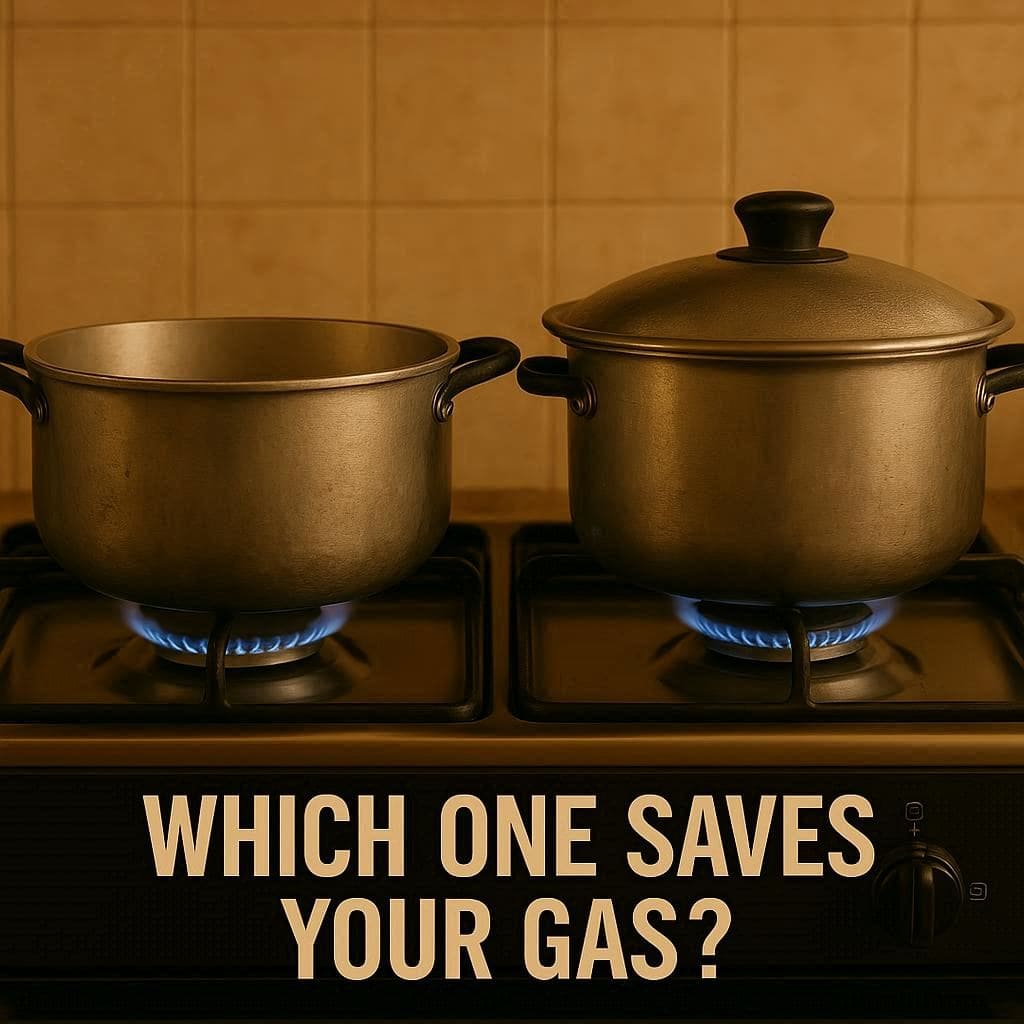
One day, while cooking in my own kitchen, I decided to test something. I boiled the same quantity of water twice — same pot, same burner, same gas.
The first time, I left the pot uncovered. The second time, I used the lid.
The result?
The covered pot boiled in almost half the time.
That means my burner used less gas — because the flame didn’t have to work overtime trying to heat up the air around the pot. That simple lid turned out to be one of the most underrated gas-saving tricks I’ve ever learned.
Now, at JEDIK Global Energy, I share this tip with customers who complain that their gas doesn’t last. Some are shocked; others laugh until they try it themselves — and come back to say, “Manager, that lid really worked!”
Why This Happens (In Simple Terms)
Cooking gas (LPG) works by releasing energy as it burns. If you leave your pot open, much of that energy escapes into the air instead of heating your food.
Think of it like trying to fill a leaking bucket — no matter how much water you pour, most of it is wasted.
But when you cover your pot, the heat stays inside. The temperature rises faster, your food cooks quicker, and your gas burns more efficiently.
In other words:
Less time cooking = less gas wasted.
It’s simple physics, and even simpler savings.
The Difference Over Time
Let’s say you cook twice daily and waste just 5 extra minutes of gas each time by cooking with open pots.
That’s 10 minutes a day, or about 5 hours a month of wasted burning.
In fuel terms, that’s like leaving your stove running without food in it for five full hours every month.
Now imagine saving even half of that — that’s money back in your pocket and more lifespan for your cylinder.
Bonus Tip: Match Your Pot to the Burner
Another secret I’ve learned is flame alignment. If your pot is too small for your burner, flames lick around the sides instead of staying under the base. That not only wastes gas but also blackens your pot — a double loss.
The correct pot size means all the heat is absorbed where it matters — directly beneath your food.
The Everyday Lesson
Whether you’re cooking for a big family or just making noodles after a long day, using a lid isn’t just about convenience, it’s economy.
I’ve watched households switch from refilling gas every three weeks to every five weeks, just by changing how they cook.
At JEDIK Global Energy, we always remind customers: it’s not only about the price of gas, it’s about how wisely you use it.
Final Thought
So next time you’re in your kitchen, before turning that burner on, ask yourself:
“Is my pot stealing my gas?”
Then pick up that lid, cover it, and watch how much more mileage your cylinder gives you this month.
Because sometimes, the biggest savings don’t come from fancy appliances — they come from everyday wisdom.
And at JEDIK Global Energy, we believe in fueling both your home and your knowledge.
Leave a Reply