

The world is shifting toward cleaner, more sustainable energy sources — and one of the most promising alternatives is compressed natural gas (CNG). From cars to factories and even power plants, CNG is changing how we think about fuel.
In countries like Nigeria, where fuel prices continue to fluctuate, more people and transport companies are turning to CNG-powered vehicles to save money and reduce pollution. But what exactly is compressed natural gas, and why is it considered the “fuel of the future”? Let’s explore.
What Is Compressed Natural Gas (CNG)?
Compressed natural gas is simply natural gas (mostly methane) that has been compressed to less than 1% of its normal volume at standard atmospheric pressure. This makes it easier to store, transport, and use, especially as a vehicle fuel.
Natural gas is extracted from underground wells and processed to remove impurities. Once purified, it is compressed to about 3,000 to 3,600 psi (pounds per square inch) and stored in high-pressure cylinders for use in vehicles or industry.

How CNG Is Used in Vehicles
CNG is mainly used as a fuel for vehicles, from small cars to large buses and trucks. Vehicles powered by CNG use a modified internal combustion engine that burns gas instead of petrol or diesel.
In Nigeria and many other countries, car owners are converting their engines to dual-fuel systems, allowing them to run on either petrol or CNG. The process involves installing a CNG conversion kit, which includes a gas cylinder, regulator, and injection system.
Why CNG Is Growing in Popularity
Here are the top reasons why compressed natural gas is becoming a popular fuel alternative:
- Cost-Effective:
CNG is often 30–50% cheaper than petrol or diesel. For example, a taxi driver in Enugu who spends ₦20,000 weekly on petrol could spend just ₦10,000–₦12,000 using CNG. - Eco-Friendly:
It produces up to 80% fewer carbon emissions than traditional fuels. Unlike petrol, CNG doesn’t emit harmful soot or lead. - Engine Longevity:
CNG burns cleanly, which helps engines last longer with less wear and tear. - Safety:
CNG is lighter than air; in case of a leak, it disperses quickly instead of pooling on the ground like petrol or LPG. Modern CNG cylinders are built with safety valves to prevent accidents. - Abundant Supply:
Nigeria and many countries have large reserves of natural gas, making CNG a sustainable and locally available energy option.
How CNG Compares to Other Fuels
| Fuel Type | Emission Level | Cost (per energy unit) | Safety | Availability |
|---|---|---|---|---|
| Petrol | High | High | Moderate | High |
| Diesel | Very High | Moderate | Low | High |
| LPG | Moderate | Moderate | Moderate | Moderate |
| CNG | Low | Low | High | Increasing |
As this comparison shows, compressed natural gas stands out for being both affordable and environmentally friendly.
Countries like India, Pakistan, and Brazil have already adopted CNG on a large scale, and Nigeria is now following that path, supported by government initiatives promoting autogas and green energy.
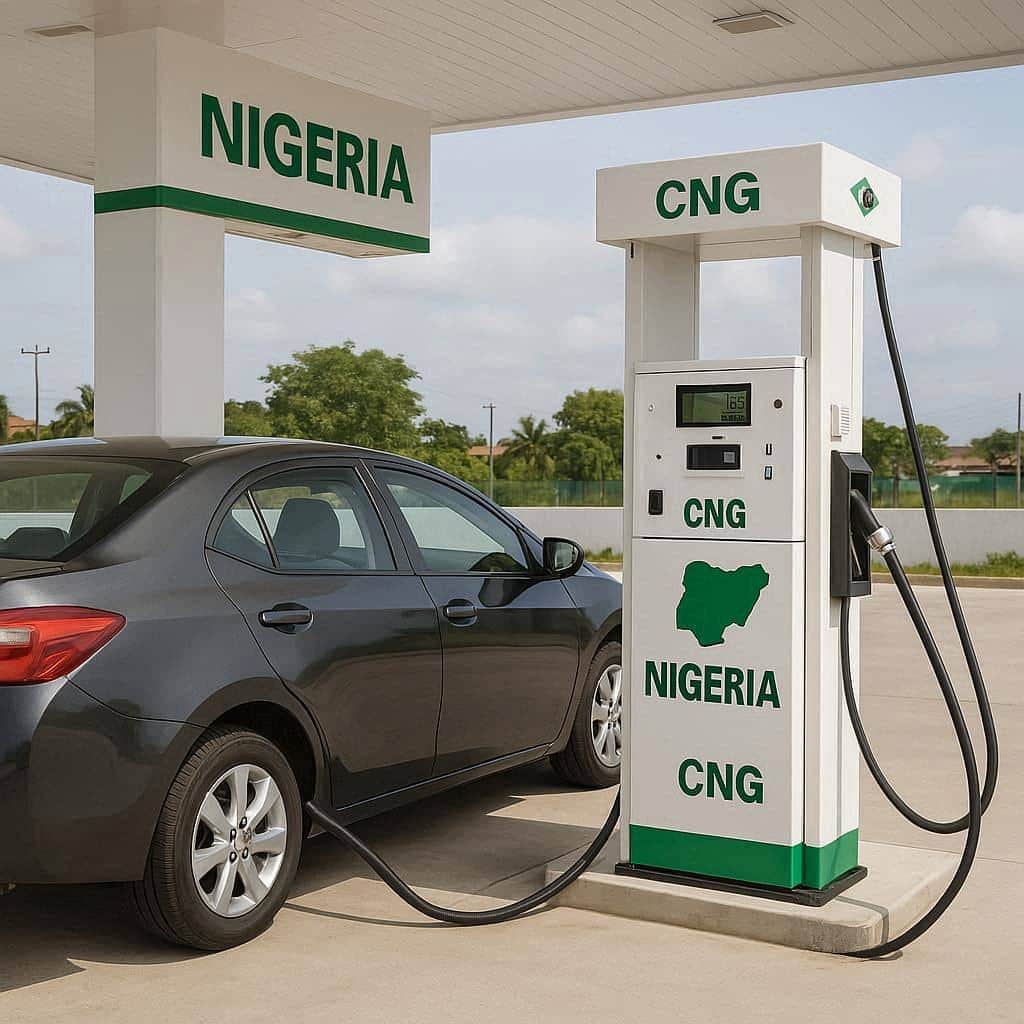
CNG in Nigeria
In 2024, the Nigerian government launched the National Gas Expansion Programme (NGEP) to promote the use of CNG as a substitute for petrol and diesel.
Cities like Lagos, Abuja, and Enugu now have growing networks of CNG refilling stations operated by energy companies, including private investors like Jedik Global Energy, who are expanding access to affordable gas.
For example, public transport fleets in some cities are switching to CNG-powered buses, cutting fuel costs and emissions drastically—a real win for both the economy and the environment.
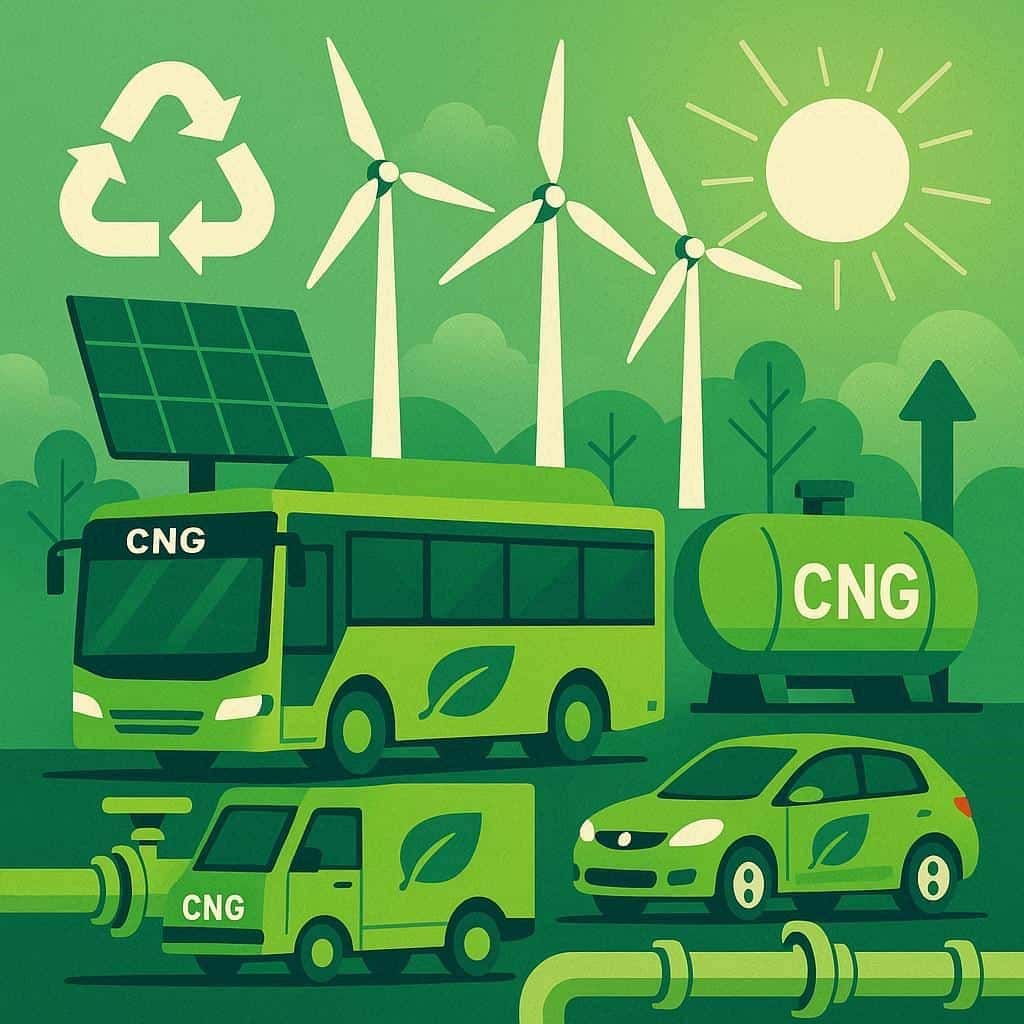
Environmental Impact and Future Potential
CNG plays a critical role in reducing air pollution and supporting climate-friendly transportation. Because it burns more completely than other fossil fuels, it significantly reduces:
- Carbon monoxide (CO)
- Nitrogen oxides (NOx)
- Sulfur compounds
- Greenhouse gases
As the world targets net-zero emissions, industries and governments are investing heavily in CNG infrastructure. Soon, we may see entire vehicle fleets, from delivery trucks to taxis, powered by compressed natural gas.
Challenges Facing CNG Adoption
While CNG has many benefits, there are still a few challenges:
- Limited Refilling Stations: Access points are still expanding, especially in rural areas.
- Initial Conversion Cost: Installing a CNG kit can cost between ₦400,000 – ₦800,000, which may discourage some drivers.
- Public Awareness: Many people still don’t understand how safe and efficient CNG really is.
However, as government incentives and infrastructure grow, these challenges are quickly being addressed.
Conclusion
Compressed natural gas (CNG) represents the future of affordable, safe, and eco-friendly fuel.
For individuals, businesses, and governments seeking cleaner energy solutions, CNG offers the perfect balance of efficiency and sustainability.
At Jedik Global Energy, we’re proud to be part of Nigeria’s clean energy transition, providing reliable LPG and CNG solutions for homes, businesses, and transport fleets.
As fuel costs rise globally, the shift toward compressed natural gas isn’t just smart — it’s necessary for a sustainable future.
Frequently Asked Questions (FAQ)
1. What is compressed natural gas made of?
CNG is primarily composed of methane (CH₄), a clean-burning hydrocarbon.
2. Is CNG safe to use?
Yes. CNG is non-toxic and lighter than air, so it disperses quickly in the event of a leak.
3. Can any car run on CNG?
Almost any petrol vehicle can be converted to CNG with the right conversion kit installed by certified technicians.
4. How much can I save using CNG?
On average, CNG users save 30–50% on fuel costs compared to petrol.
5. Does CNG reduce engine performance?
No. Properly tuned CNG systems deliver the same performance, with longer engine life and cleaner combustion.
Leave a Reply