

I didn’t wake up one morning planning to learn about a fuel regulator. Like most car owners, I only cared that my car used to drive fine, and suddenly, it didn’t.
This post is not theory or copied mechanic talk. It’s my real experience, what I noticed, what I checked, what I got wrong, and how I finally confirmed the problem.
The First Signs Something Was Wrong
It started slowly.
My car began to:
- Lose power while driving
- Hesitate when I pressed the accelerator
- Consume more fuel than usual
- Occasionally stall at low speed
At first, I ignored it. I thought it was bad fuel or maybe a dirty injector. The car would still start, so I kept driving.
That was my first mistake.
What I Thought the Problem Was (But Wasn’t)
Like many people, I blamed:
- Bad fuel
- Fuel injector
- Spark plugs
- Weak fuel pump
I changed the spark plugs. No improvement.
I added a fuel injector cleaner. Still the same issue.
The car continued to struggle, especially when accelerating or climbing hills.
When the Problem Got Worse
One day, the car stalled in traffic.
It restarted, but the engine sounded rough. That’s when I knew something serious was wrong. A car doesn’t stall for no reason.
I decided to stop guessing and start observing.
The Clue That Pointed to the Fuel Pressure Regulator
Here’s what caught my attention:
- Strong fuel smell after driving
- Black smoke from the exhaust sometimes
- Rough idle even when the engine was warm
These signs told me the engine was either getting too much fuel or too little fuel.
That’s when I learned the role of the fuel regulator.
What the Fuel Regulator Actually Does
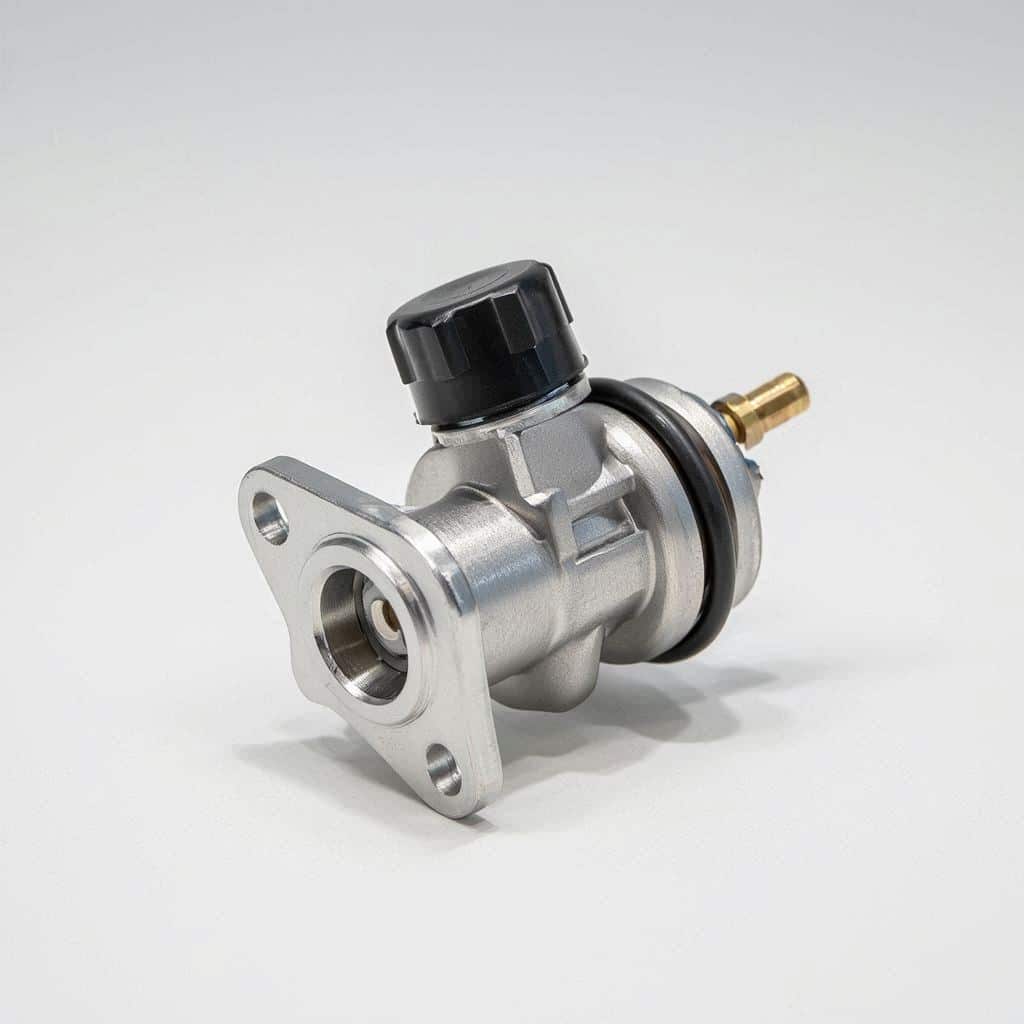
In simple terms, the fuel pressure regulator controls how much fuel enters the engine.
- Too much pressure → engine floods
- Too little pressure → engine starves
Either way, performance suffers.
If this small part fails, your car can behave like everything else is broken.
How I Confirmed the Fuel Regulator Was Bad
This is what finally confirmed it for me:
1. Engine Behavior After Startup
When I started the car:
- Idle was unstable
- RPM jumped up and down
That’s a classic fuel pressure issue.
2. Fuel Smell Near the Engine
I noticed fuel smell near the engine bay.
That usually points to a regulator diaphragm failure.
3. Disconnecting the Vacuum Hose
With the engine off, I checked the vacuum hose connected to the fuel pressure regulator.
There was fuel inside the hose.
That should never happen.
That single sign confirmed the regulator was bad.
Replacing the Fuel Regulator
After replacing it:
- The engine idled smoothly
- Acceleration returned to normal
- Fuel consumption improved
- No more stalling
The difference was immediate.
I didn’t need a new fuel pump.
I didn’t need injector replacement.
Just that one part.
Lessons I Learned the Hard Way
Here’s what I want you to take away:
- Don’t ignore early warning signs
- Don’t replace parts blindly
- A failing fuel pressure regulator can mimic many problems
- Always diagnose before spending money
When Should You Check Your Fuel Regulator?
Check it if your car:
- Stalls unexpectedly
- Smells like fuel
- Runs rich or lean
- Hesitates during acceleration
- Uses more fuel than normal
Final Thoughts
The fuel regulator is small, cheap compared to other parts, and often overlooked. But when it fails, it can make your car feel completely unreliable.
If your car is acting strange and nothing else seems to fix it, don’t overlook this part. I learned that lesson the hard way, so you don’t have to.
Frequently Asked Questions About Fuel Regulator
1. What happens when a fuel regulator goes bad?
When a fuel pressure regulator fails, your engine may receive too much or too little fuel. This can cause rough idling, poor acceleration, stalling, increased fuel consumption, and a strong fuel smell.
2. Can a bad fuel regulator damage the engine?
Yes. Over time, a faulty fuel pressure regulator can damage spark plugs, oxygen sensors, and even the catalytic converter if left unchecked. Fixing it early helps prevent costly repairs.
3. How do I know if it’s the fuel pump or the fuel regulator?
A bad fuel pump usually causes hard starting or no starting at all. A failing fuel pressure regulator often causes rough idle, fuel smell, black smoke, and inconsistent performance. Checking the vacuum hose for fuel is a quick way to confirm a regulator issue.
4. Is it safe to drive with a bad fuel regulator?
You can drive for a short time, but it’s not recommended. The car may stall unexpectedly, waste fuel, or cause engine damage if driven too long with a faulty regulator.
5. How much does it cost to replace a fuel regulator?
The cost depends on your car model, but the fuel pressure regulator itself is usually affordable. Labor costs are also moderate, making it cheaper than replacing major fuel system components.
6. Can I replace a fuel regulator myself?
If you have basic mechanical knowledge and the regulator is easily accessible, you can replace it yourself. However, if it’s located inside the fuel tank or rail, professional help is recommended.
7. Does a fuel regulator affect fuel economy?
Yes. A bad fuel pressure regulator can cause excessive fuel consumption because the engine may run too rich or too lean.
8. How long does a fuel regulator last?
A fuel pressure regulator can last many years, but poor fuel quality, dirt, and wear can shorten its lifespan. Regular maintenance helps extend its life.
Leave a Reply