
The fuel price in Nigeria continues to be one of the hottest topics across the country in 2026. From long queues at filling stations to rising transport fares and high food costs, every Nigerian feels the direct impact of fluctuating fuel prices.
In this post, we’ll cover the current petrol, diesel, and kerosene prices across major cities, the reasons behind the constant changes, and what experts predict for the future.

Current Fuel Prices in Nigeria (May 2026)
Fuel prices vary slightly by state, depending on transportation and depot costs. Below is the average retail price range in Enugu State and across Nigeria:
| Fuel Type | Average Price (₦/Litre) | Price Range (₦) | Common Use |
|---|---|---|---|
| Petrol (PMS) | ₦1,350 | ₦1350 – ₦1400 | Cars, motorcycles, generators |
| Diesel (AGO) | ₦2,100 | ₦2,100 – ₦2,300 | Trucks, heavy machinery |
| Kerosene (DPK) | ₦1,500 | ₦1,500 – ₦1,700 | Cooking, lanterns |
Note: Prices may differ slightly at independent marketers versus NNPC retail stations.
Why Is Fuel Price in Nigeria So High?
The high fuel price in Nigeria is driven by several interconnected factors:
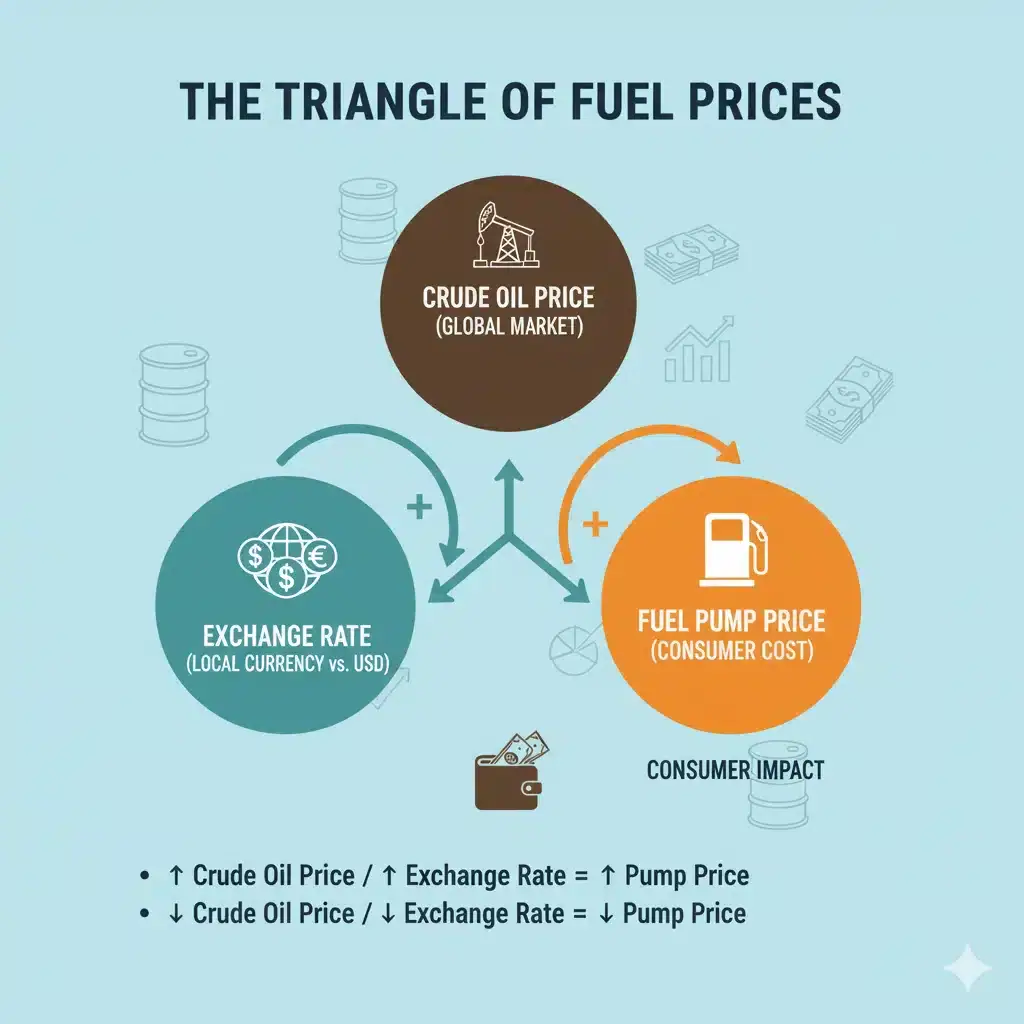
- Deregulation of the oil sector: Since fuel subsidies were removed, prices now depend on global oil markets and exchange rates.
- Exchange rate pressure: The rising dollar exchange rate increases import costs.
- Refining limitations: Nigeria still imports most refined fuel due to weak local refinery output.
- Transportation and logistics: Haulage, security, and storage costs add extra charges per litre.
- Global oil market shifts: When international crude prices rise, local fuel costs follow.
- Dangote vs NNPC: Dangote and NNPC differences
- US-Israel and Iran war
Impact of Rising Fuel Prices on Nigerians
Fuel prices affect almost every part of daily life. Some common effects include:
- Transport fares rising across buses, taxis, and logistics companies.
- Food prices increasing because of higher cost of delivery.
- Electricity bills going up as many rely on generators during power cuts.
- Small businesses struggling with high operating costs.
Many Nigerians have been forced to reduce non-essential travel, seek alternative energy sources, or switch to smaller generator types to manage costs.
What the Future Holds
Experts believe the fuel price in Nigeria may remain unstable throughout 2025, depending on:
- The success of Dangote Refinery in fully commencing production.
- NNPC’s crude supply deals with international refineries.
- Exchange rate stabilization by the Central Bank of Nigeria (CBN).
If local refining improves, Nigerians might see gradual price relief later in the year.
How to Cope with High Fuel Costs
You may not control market prices, but you can manage your expenses wisely:
- Carpool or use public transport where possible.
- Switch to gas or solar for cooking and lighting.
- Maintain your vehicle regularly to improve fuel efficiency.
- Buy fuel early in the morning when it’s cooler (reduces evaporation losses).
- Patronize trusted stations that deliver accurate meter readings and clean fuel.
Jedik Global Energy’s Take
At Jedik Global Energy, we understand the challenges Nigerians face with unstable fuel prices. That’s why we remain committed to providing:
- Transparent pricing
- Safe and efficient LPG (cooking gas) refills
- Quality service for homes and businesses
Whether it’s cooking gas or fuel for your generator, we help you keep your home running smoothly while prioritizing safety and affordability.
Final Thoughts
The fuel price in Nigeria tells a bigger story about the nation’s economy, one of resilience, adaptation, and hope. While prices may remain unpredictable for now, the future holds promise as more refineries begin operation and policies stabilize the energy market.
Until then, being informed and smart with consumption remains every Nigerian’s best strategy.
Leave a Reply