
We’ve all been there. You load your empty cylinder into the car, drive to the gas plant, and play a mental game of “Price Guessing.” You’re trying to remember what you paid last month, was it ₦1,100 per kg? Or did it drop to ₦950? By the time you reach the pump, the price displayed on the digital screen feels like a surprise bill you didn’t ask for.
In 2026, the gas cylinder refill cost has become one of the most unpredictable variables in the Nigerian household budget. With the Dangote refinery now a major player and global crude prices swinging like a pendulum, knowing what to expect is no longer just a “nice to have” it’s a survival skill for your wallet.
To help you stop guessing, we’ve integrated a powerful LPG Cost Estimator on our platform. But before you go clicking buttons, let’s pull back the curtain on why these prices move and how you can stay two steps ahead of the market.
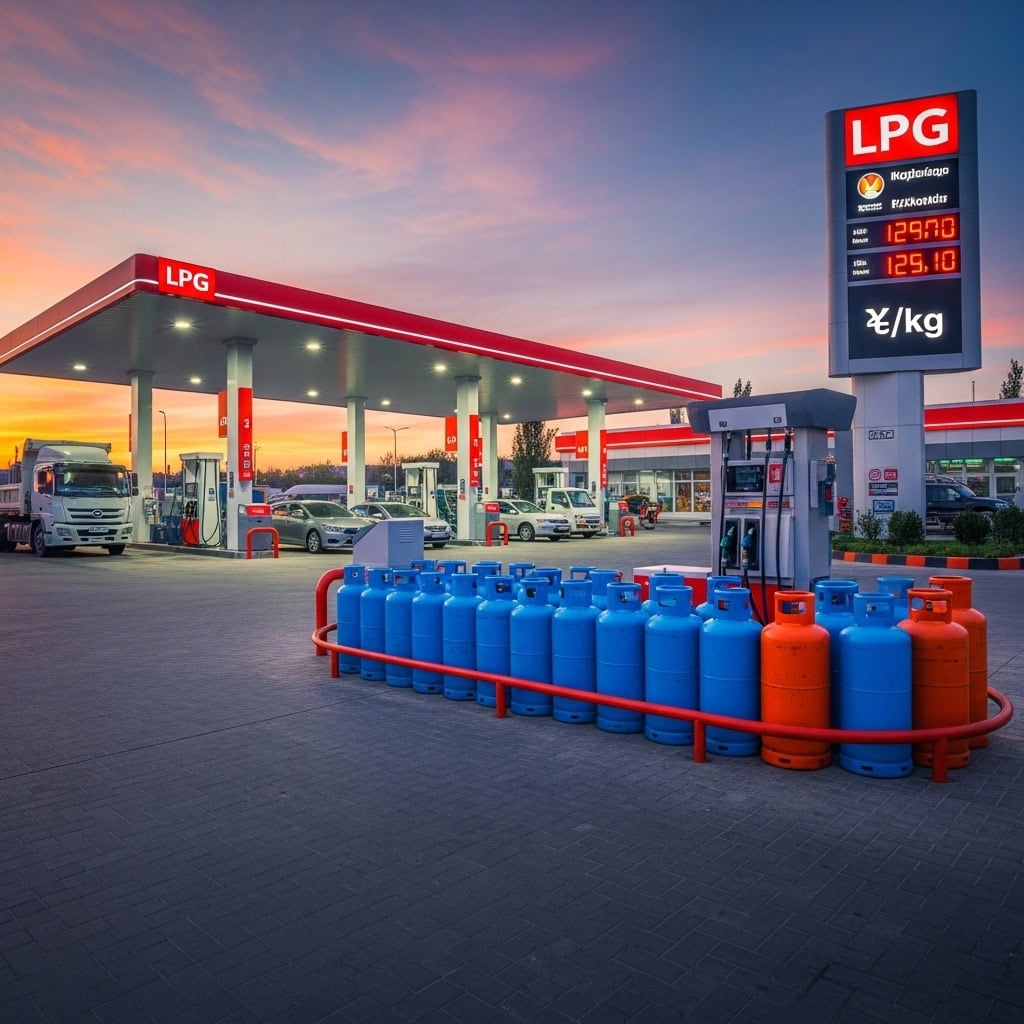
The 2026 Reality: Why the Cost of Gas Won’t Stay Still
If you feel like you’re paying more this week than you did two weeks ago, you probably are. As of March 2026, several factors are driving the gas cylinder refill cost across the country:
- The “Refinery Ripple”: While local production from the Dangote refinery has helped stabilize supply, pricing is still heavily influenced by the “ex-gantry” rates set at the depots. When these rates move, even by ₦20, the retail price at your local station often jumps by ₦50 to cover logistics.
- Logistics and Haulage: The cost of diesel for the trucks that bring gas to your neighborhood is a “hidden” part of your refill price. If diesel prices rise, your gas price follows.
- Regional Disparity: It’s a strange reality that a 12.5kg refill in Lagos might cost significantly less than the same refill in Kwara or Abuja. Proximity to coastal terminals and main supply hubs remains a huge factor in the final price you see.
How to Calculate Your Refill Cost Like a Pro

Most people walk up to the counter and say, “Fill it for ₦10,000.” While this is convenient, it makes it impossible to track whether you’re actually getting a good deal or if your gas is lasting as long as it should.
To truly master your gas cylinder refill cost, you need to think in kilograms. Every cylinder has a capacity, and every plant has a “price per kg.”
The Golden Formula: > $Total Refill Cost = Cylinder Capacity (kg) \times Current Price per kg$
If the price is ₦1,050 and you have a 12.5kg cylinder, your total should be ₦13,125. If the attendant tells you ₦14,000, you know something is off. This is where using an LPG cost calculator before you leave home becomes your secret weapon. It gives you the “Target Price” so you can hold retailers accountable.
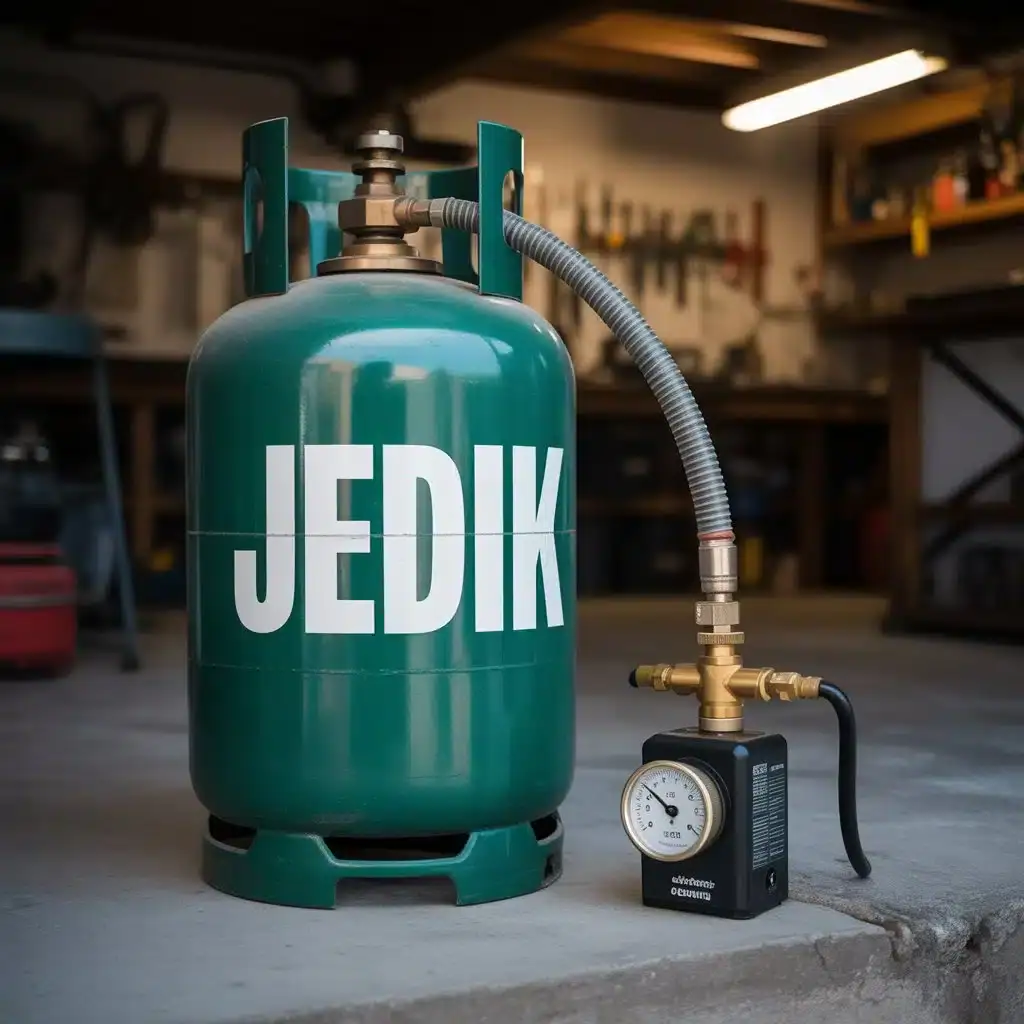
Breakdown: What Should You Be Paying for Your Size?
Different households have different needs. Let’s look at the most common sizes and how the gas cylinder refill cost stacks up for each.
1. The 3kg & 5kg “Student/Single” Cylinders
These are the most popular for students, young professionals, or as a “backup” cylinder.
- Pros: Low entry cost, easy to carry.
- Cons: Often have the highest “price per kg” because retailers charge a premium for small-volume refills.
- 2026 Strategy: If you can afford to “step up” to a 6kg or 10kg cylinder, you’ll often find your monthly gas bill actually drops because the per-kg rate is fairer.
2. The 12.5kg “Family Standard”
This is the workhorse of the Nigerian kitchen. Most meal plans are built around this size.
- Budgeting Tip: Always use a refill cost estimator for this size, as a ₦50 change in the kg price results in a ₦625 jump in total cost. That’s the price of a small loaf of bread!
3. The 50kg “Industrial/Restaurant” Cylinder
If you’re running a business, your gas cylinder refill cost is a direct hit to your profit margins.
- Strategy: Businesses should negotiate “bulk rates” with plants like JEDIK Global Energy. Buying 50kg at once should always be significantly cheaper per kg than buying four 12.5kg refills separately.
Safety vs. Savings: The Hidden Trap
We all want to save money, but in the world of LPG, “cheap” can be dangerous. If you find a roadside retailer offering a gas cylinder refill cost that is 20% lower than everyone else, be careful.
Watch out for:
- Under-filling: They might charge you for 12.5kg but only give you 11kg. Without a scale, you’d never know, until your gas runs out 5 days early.
- Bad Gas: Low-quality LPG mixtures (too much butane, not enough propane) burn with a yellow flame, sooting up your pots and taking longer to cook your food.
- Leaking Valves: Some discount stations don’t check your “O-ring” or valve health. A small leak can waste ₦1,000 worth of gas in a week.

10 Hacks to Slash Your Monthly Gas Bill
Once you’ve used the gas cylinder refill cost tool to budget, the next step is “Energy Conservation.” Here is how our most savvy customers make their gas last up to 30% longer:
- The “Lid-On” Law: Cooking without a lid is like trying to air-condition your house with the windows open. Always cover your pots.
- Soak Your Hard Grains: Beans, brown rice, and tough meats should be soaked. It reduces cooking time (and gas usage) by nearly half.
- Match the Pot to the Burner: Don’t put a small tea kettle on the largest burner. The heat escaping around the sides is money disappearing into thin air.
- Clean Your Burners: If the holes in your burner are clogged, the gas doesn’t burn efficiently. A 5-minute cleaning with a pin can save you thousands over a year.
- Use Pressure Cookers: They are the “secret weapon” for making a 12.5kg cylinder last 2 months instead of 1.
- Turn Off Early: For stews and porridge, turn the gas off 5 minutes before it’s done. The residual heat in the pot will finish the cooking.
- Check Your Hose: A tiny, microscopic crack in your gas hose can leak gas 24/7. Replace your hose every 2 years regardless of how it looks.
- Avoid High Flame: “Medium” is usually the most efficient heat level. “High” often just sends heat around the pot rather than into it.
- Keep Windows Slightly Ajar: Good ventilation ensures there is enough oxygen for a perfect blue flame.
- Use an Expense Tracker: Write down the date of every refill. If you find your gas lasted 25 days instead of the usual 35, check your stove or your supplier.
Frequently Asked Questions (FAQ)
1. Why does my gas finish faster in the rainy season?
It’s not your imagination! In colder weather, the “liquid” gas in your cylinder doesn’t vaporize as easily, and your food starts at a lower temperature, requiring more energy to reach a boil.
2. Can I trust the scales at the gas station?
At reputable plants like JEDIK, the scales are calibrated and transparent. However, you can always ask the attendant to “Tare” the scale with your empty cylinder first so you can see exactly how many kg are added.
3. Does the “Total Cost” include the 13% VAT?
Most retail prices quoted per kg in 2026 already include the necessary taxes, but it’s always good to ask if the price on the board is “Net” or “Gross.”
4. Is there a “best time” of the month to buy gas?
Prices often spike toward the end of the month or just before major holidays. If you can, try to refill mid-month when demand is slightly lower.
5. How do I know if my cylinder is under-filled?
The only way to be sure is to weigh it. Every cylinder has a “Tare Weight” (T.W.) stamped on the handle. If the T.W. is 13kg and you bought 12.5kg of gas, the total weight on a scale should be 25.5kg.
Conclusion: Take the Guesswork Out of Your Kitchen
Budgeting for your home shouldn’t feel like a high-stakes poker game. With the right information and a few smart tools, you can predict your gas cylinder refill cost with 99% accuracy.
Don’t let price fluctuations catch you off guard. Visit our LPG Cost Estimator page right now, check the latest rates, and plan your next refill with the confidence of a pro. At JEDIK Global Energy, we believe that clean energy should be transparent, affordable, and accessible to every Nigerian home.
Leave a Reply