

Oil is one of the world’s most valuable natural resources, powering industries, vehicles, and homes. But have you ever wondered where it all starts? The answer lies in the oil field — a place where crude oil is extracted from beneath the earth’s surface and prepared for processing.
What Is an Oil Field?
An oil field is a region where large quantities of crude oil lie trapped deep underground. These oil deposits are found in porous rock formations, usually covered by non-porous rock layers that prevent the oil from escaping.
In simple terms, an oil field is like a giant natural oil tank hidden beneath the ground or ocean floor. It contains multiple wells drilled to extract the oil, along with pipelines, pumps, and other infrastructure needed to bring it to the surface.
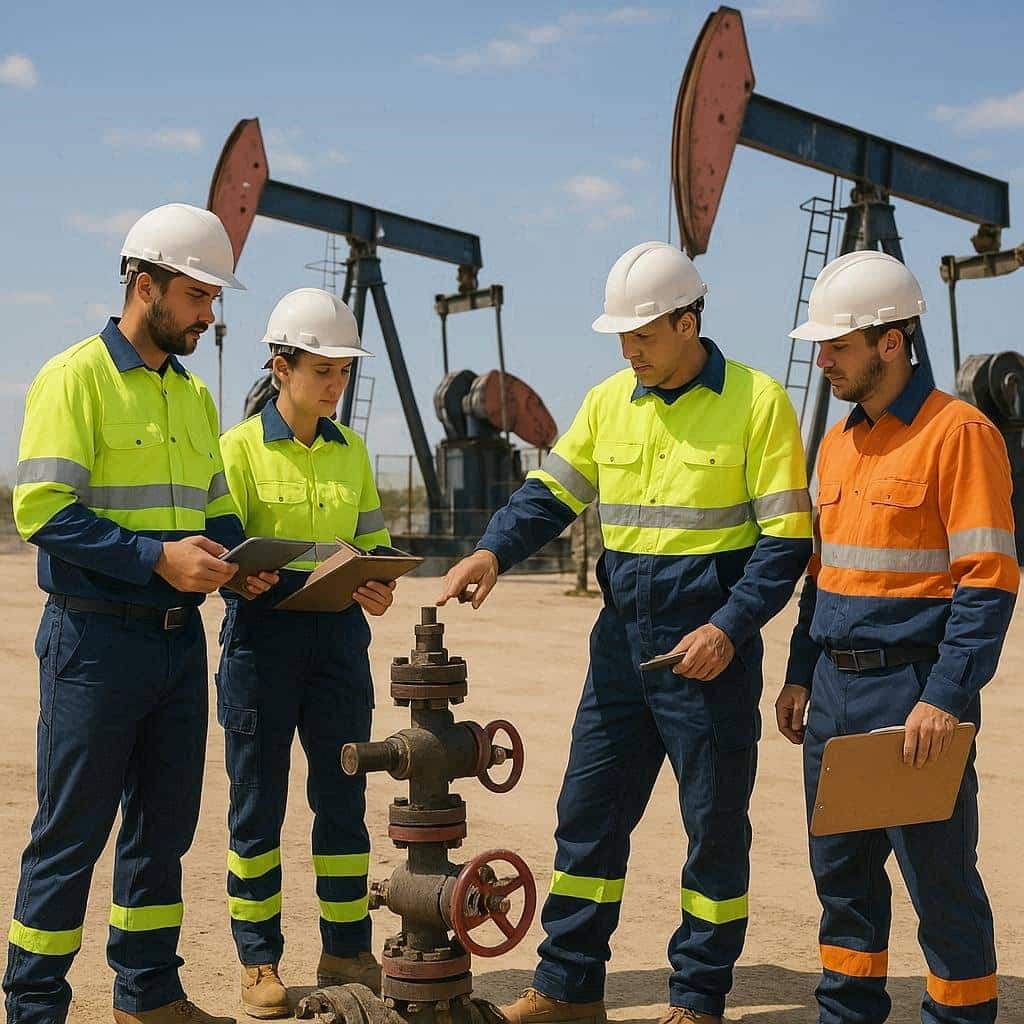
How Oil Fields Are Discovered
Finding an oil field is not as easy as digging anywhere. Companies spend millions on geological surveys, 3D seismic imaging, and exploratory drilling to identify areas with high potential.
For example, in Nigeria, major oil fields are located in the Niger Delta region, where companies like Shell, Chevron, and TotalEnergies operate.
Before drilling begins, experts study rock layers, temperature, and pressure conditions to ensure that the location has enough oil to be profitable.
Life Inside an Oil Field
Working in an oil field is not for the faint-hearted. Conditions are often harsh, with workers spending weeks or months away from home on rigs or offshore platforms.
A typical day involves:
- Monitoring pressure and flow to keep the wells stable.
- Maintaining equipment to prevent leaks or explosions.
- Transporting oil through pipelines to refineries for processing.
Despite the tough conditions, oil field workers play a critical role in ensuring a steady supply of energy to the world.

Real-Life Example
Take, for instance, the Bonga Oil Field in Nigeria, the country’s first deep-water oil field. Operated by Shell Nigeria Exploration and Production Company (SNEPCo), Bonga produces hundreds of thousands of barrels of oil daily. It employs thousands of skilled workers and contributes billions to Nigeria’s economy.
This shows how oil fields are more than just drilling sites, they are economic lifelines for oil-producing nations.
The Environmental Impact
While oil fields are vital for energy and revenue, they also pose environmental challenges. Oil spills, gas flaring, and land degradation can harm surrounding communities and ecosystems.
That’s why modern companies are adopting greener practices, such as:
- Using cleaner drilling technologies
- Recycling drilling fluids
- Investing in renewable energy alternatives
The Future of Oil Fields
With the global shift toward clean energy, many believe oil fields will eventually decline. However, experts agree that oil will remain important for decades, especially for developing nations still building their energy infrastructure.
The focus now is on making oil production safer, cleaner, and more efficient.
FAQs about Oil Fields
1. What is an oil field used for?
An oil field is used to extract crude oil from underground reservoirs for refining into products like petrol, diesel, and jet fuel.
2. How are oil fields discovered?
They are discovered through geological surveys, seismic studies, and exploratory drilling.
3. Are oil fields only found on land?
No. Many are found offshore, under the seabed — like the Bonga Field in Nigeria or the North Sea oil fields in the UK.
4. Do oil fields ever run dry?
Yes. Once the oil is depleted or becomes too expensive to extract, the field is abandoned or repurposed.
5. How do oil fields affect the environment?
Oil spills, gas flaring, and pollution can damage local ecosystems, but modern technology aims to reduce these risks.
Leave a Reply