

For over a century, petroleum has powered cars, factories, and entire economies. From fueling airplanes to heating homes, it’s been the lifeblood of modern civilization. But today, many are asking an important question: Is the world finally moving beyond oil?
With the rise of renewable energy, electric vehicles, and global climate goals, the future of petroleum seems uncertain. Yet, oil continues to play a vital role—especially in developing nations where energy demand keeps growing.
Let’s take a realistic look at where petroleum stands, where it’s heading, and what companies like Jedik Global Energy are doing to adapt to this evolving landscape.
The Current Role of Petroleum in the Global Economy
Despite the shift toward clean energy, petroleum still accounts for over 30% of global energy consumption. It remains the backbone of:
- Transportation: Cars, ships, and airplanes still rely mainly on fuel oil and gasoline.
- Manufacturing: Thousands of products, from plastics to fertilizers, come from petroleum.
- Power generation: Many regions use petroleum-based fuels for backup or peak power.
In countries like Nigeria, oil is not just an energy source — it’s a major economic driver. Billions in revenue, jobs, and infrastructure depend on this industry.
What’s Driving the Move Away from Oil?
The move away from oil isn’t just an environmental decision — it’s also economic and technological. Several global factors are changing the landscape:
- Climate change and emission targets — Nations are under pressure to cut CO₂ emissions, pushing investments in renewable energy.
- Rise of electric vehicles (EVs) — By 2030, EVs are expected to account for 1 in 5 cars globally.
- Cheaper renewable alternatives — Solar and wind power are now cost-competitive with oil in many countries.
- Innovation and efficiency — Modern technologies reduce oil demand by improving efficiency and energy management.
Still, the transition isn’t instant — the world consumes around 100 million barrels of oil per day, and demand continues to grow in Asia and Africa.
Why Oil Isn’t Going Away Anytime Soon
Even with the rise of renewables, petroleum is far from dead. Here’s why:
- Infrastructure inertia: Replacing global oil systems would take decades.
- Growing developing markets: Millions still lack access to stable electricity — petroleum fuels bridge that gap.
- Industrial uses: Many industries (aviation, petrochemicals) can’t yet run on electricity alone.
- Energy storage challenges: Renewables like solar and wind are intermittent — oil provides steady backup power.
This means petroleum will remain crucial, even as renewable energy grows.
LPG and Natural Gas: The Bridge Fuels
While crude oil faces criticism, Liquefied Petroleum Gas (LPG) and Natural Gas are seen as “bridge fuels” — cleaner alternatives that can help the world transition to greener energy.
They emit fewer greenhouse gases than coal or diesel and are versatile for cooking, heating, and transportation.
That’s why Jedik Global Energy continues to expand LPG access — making clean, affordable energy available to homes and businesses across Nigeria and beyond.
By improving distribution and promoting safety, companies like Jedik are helping reduce dependence on dirtier fuels while preparing for a renewable future.
What the Future Holds for Petroleum
The oil industry isn’t vanishing — it’s evolving. Here’s what the next decade could look like:
- Smarter refineries: AI-driven systems improving efficiency and reducing waste.
- Cleaner extraction methods: Carbon capture and storage to reduce emissions.
- Diversified portfolios: Oil companies investing in renewables and hydrogen.
- Localized supply: More focus on energy independence in developing nations.
Instead of an “oil-free” future, experts predict a balanced energy mix — petroleum will coexist with renewables for decades, with cleaner practices and smarter technologies leading the way.
How Jedik Global Energy Fits Into the Future
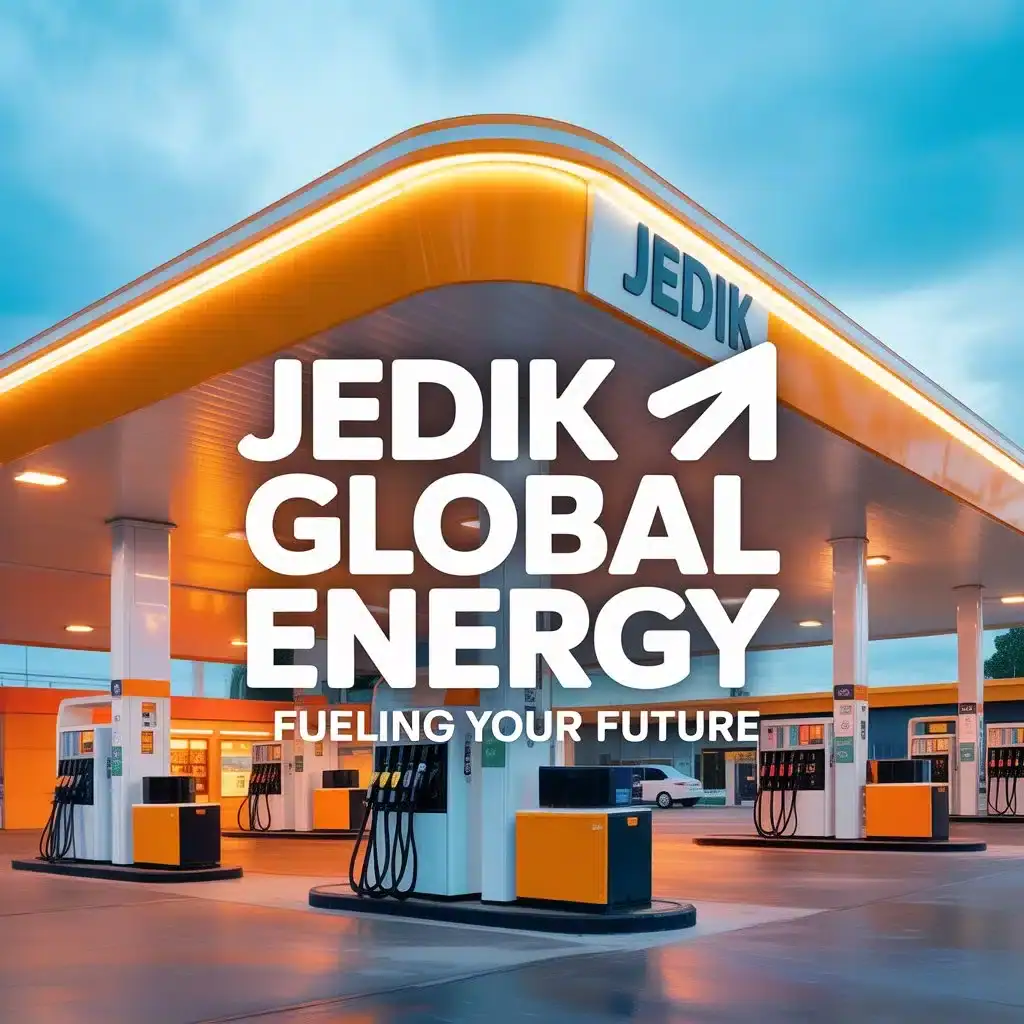
At Jedik Global Energy, we understand the world is changing — and we’re changing with it.
From LPG distribution to petrol station services, we focus on efficiency, safety, and sustainability. Our long-term vision is to:
- Support clean energy awareness in local communities.
- Promote safe LPG usage and training.
- Invest in modern infrastructure for energy delivery.
By combining innovation with experience, Jedik aims to remain a key player in the evolving energy landscape — bridging today’s needs with tomorrow’s possibilities.
Conclusion
The world may be moving toward renewable energy, but petroleum isn’t going anywhere soon. Instead, we’re entering a new era — one where oil, gas, and renewables coexist.
With responsible energy companies like Jedik Global Energy leading locally and learning globally, the future of petroleum can be both sustainable and secure.
Leave a Reply